
RECEIPTS ON GROWTH
The Ontevo Blog
Evidence-backed. Not opinions.
Free Rapid Scan. Your website and your email. Nothing to connect.

Anesthesia-free dog teeth cleaning is spreading through mobile groomers and pet stores as a cheaper, 'gentle' alternative to a real vet dental. The AVDC, AVMA, and several state veterinary boards disagree on both counts: it can't reach the disease that matters, and in most states, doing it without a vet is practicing medicine without a license.
Granite cookware isn't granite — it's coated aluminum, and a pending class-action settlement is testing whether 'non-toxic' and 'PFOA-free' claims on it were ever substantiated.
Backflow preventer testing is a public water-safety law enforced by water utilities, with service shutoff as the real penalty -- not a line item a plumbing company invented. Here is the regulatory history, the licensing distinction most customers never hear about, and what a defensible invoice actually discloses.
A federal investigation logged 1,382 reports linking certain diets, mostly grain-free, to a serious heart condition in dogs — then ended in 2022 without finding a cause. Here's what the FDA's case file and the research since actually show, and what a real fix for the claim looks like on a product page.
A 'warranty void if removed' sticker has been illegal since the FTC's 2018 warning letters. Here's what manufacturer, implied, card-network, and extended warranties on electronics actually cover.
All-on-4 implant ads quote a 'starting at' price, a same-day smile, and a lifetime warranty. Here's what each claim actually covers once you ask for specifics.
Shoppers search "mineral sunscreen vs chemical sunscreen" expecting a clear safety verdict. Here's what the FDA's unfinished 2019-2026 rulemaking actually found, and didn't.
Patients type "is chiropractic safe" before they book, and most clinic sites answer the wrong question. Here is what Mayo Clinic, a fresh January 2026 Cochrane review, and state licensing boards actually say about the real risk and the real evidence.
GREENGUARD, CertiPUR-US, FSC, and TSCA Title VI all test different things on a furniture listing — and none of them means ‘non-toxic.’ Here’s what each certification actually covers, and what a real fix for the gap looks like.

Analysis
Your Salon Says the Keratin Treatment Is 'Formaldehyde-Free.' Clients Still Smell Something Burning.
A formaldehyde-free label does not establish safe use. Check product evidence, workplace exposure and current rules before repeating a supplier claim.
NSF Certified for Sport, USP Verified, and 'third-party tested' aren't interchangeable claims. Here's what each one actually tests for, and what a real fix for supplement PDP copy looks like.

BPA-free describes a claim about one chemical. Understand the separate regulatory actions, product categories and limits of broader safety promises.
Guide
Your Contractor Says 'Licensed, Bonded, and Insured.' Homeowners Still Don't Know What That Covers.
Licensed, bonded, and insured sounds like one promise to homeowners, but it's three separate protections -- a credential, a credit-style bond, and an insurance policy with built-in exclusions for bad workmanship -- and none of them covers what buyers assume.
Dual agency is legal and disclosed in almost every real estate deal, but a signed form rarely means the buyer or seller understood that their agent's loyalty just became neutral. Here's what actually changes, where state rules diverge, and how to close the gap.
Federal law protects your warranty even when a shop uses aftermarket parts or independent service — but most customers have never seen that explained anywhere before they decide it's a scam.

A mandatory service charge isn't a tip under IRS or federal wage law, and the restaurant decides where it goes. Here's the rule, the state-by-state differences, and how to disclose it so it stops costing you reviews.
Why an approved roof insurance claim still pays out thousands less than the estimate — the ACV/RCV depreciation split, code-upgrade costs, public adjuster fees, and what homeowners get wrong about each.
Three stacked federal changes, SEER2 testing in 2023, the R-410A to R-454B refrigerant switch in 2025, and a tax credit that expired in 2025, explain most of the HVAC price increases homeowners are blaming on contractor markup.
Analysis
Your New-Patient Form Lists Every PPO You Take. Patients Still Think Dental Insurance Is a Scam.
Why "insurance scam" reviews keep landing on in-network practices — and the four plan clauses (annual maximum, least-expensive-alternative-treatment, missing tooth, waiting period) that actually create the surprise bill.
Clients search "contingency fee lawyer" expecting one clean percentage. What they actually keep depends on cost-deduction order, state fee-cap rules, and liens most firms never mention before signing.
Distinguish Regulation Best Interest from advisory fiduciary duties, then check actual services, fees, conflicts and monitoring commitments.
Help patients find clinician-reviewed aftercare, urgent warning signs, practitioner credentials and the exact filler product's approved indications.
Same-day crowns get 2,400 searches a month from skeptical patients, not curious ones. Here is what the real material science, FDA pathway, and long-term survival data actually say, and the five fixes that close the gap.
Pet insurance marketing promises reimbursement rates that benefit schedules, waiting periods, and pre-existing-condition rules often don't deliver — and veterinary practices absorb the blame when the check comes back short. Here's how the three payout models actually work, and what a real fix looks like.
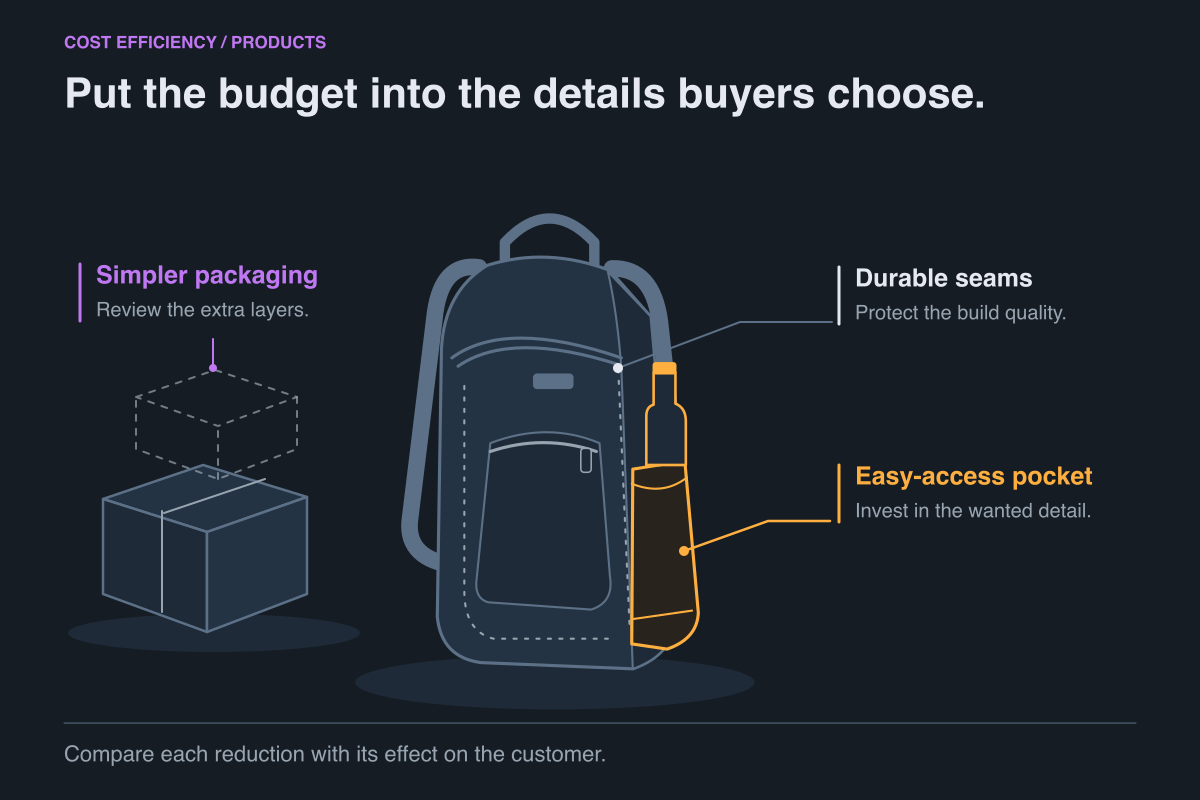
Choose between a core product improvement, a variant and an add-on. Check conflicting needs, portfolio contribution and complexity before expanding your range.

A lower supplier quote can hide higher returns, rework and inventory costs. Use the Savings Check to protect product performance and retained contribution.
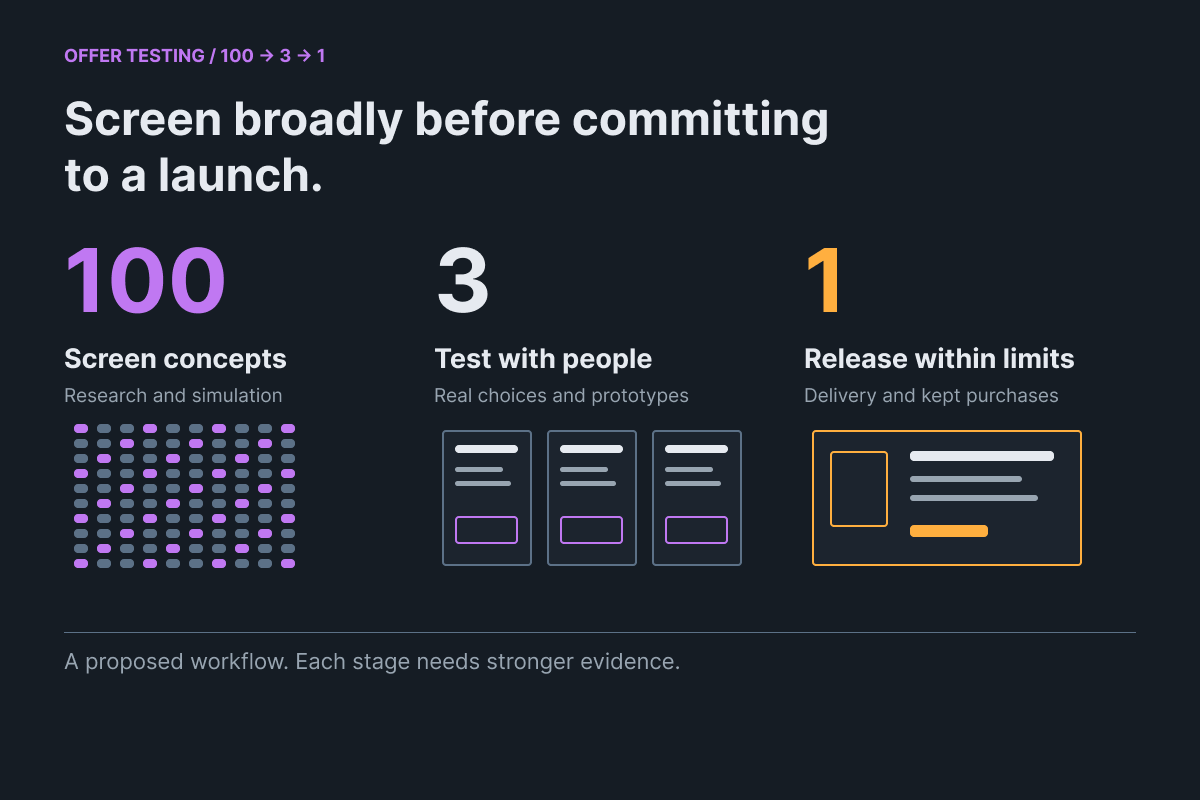
Test 100 ideas, shortlist 3 for customer validation and launch 1 in stages. Use a clear framework to connect simulation, buyer evidence and launch decisions.
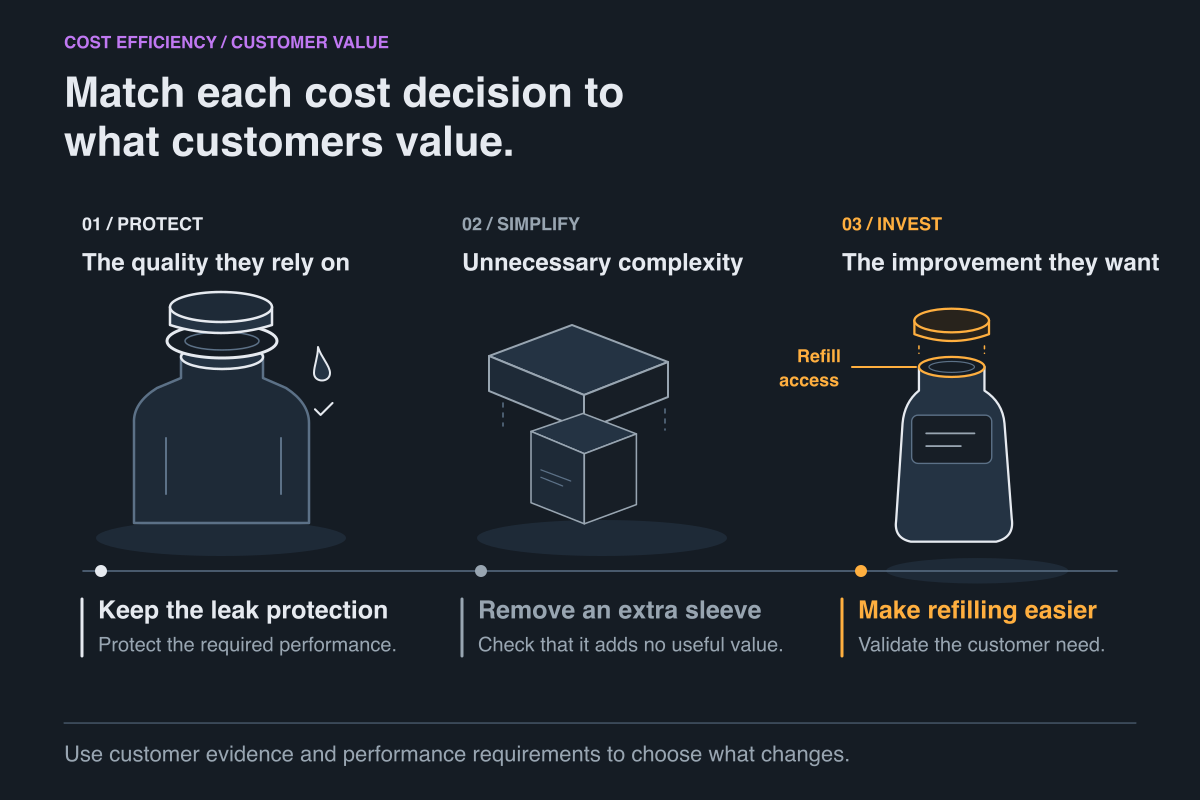
Decide which product features deserve investment, which requirements to protect, and where simpler specifications can free budget without weakening your offer.
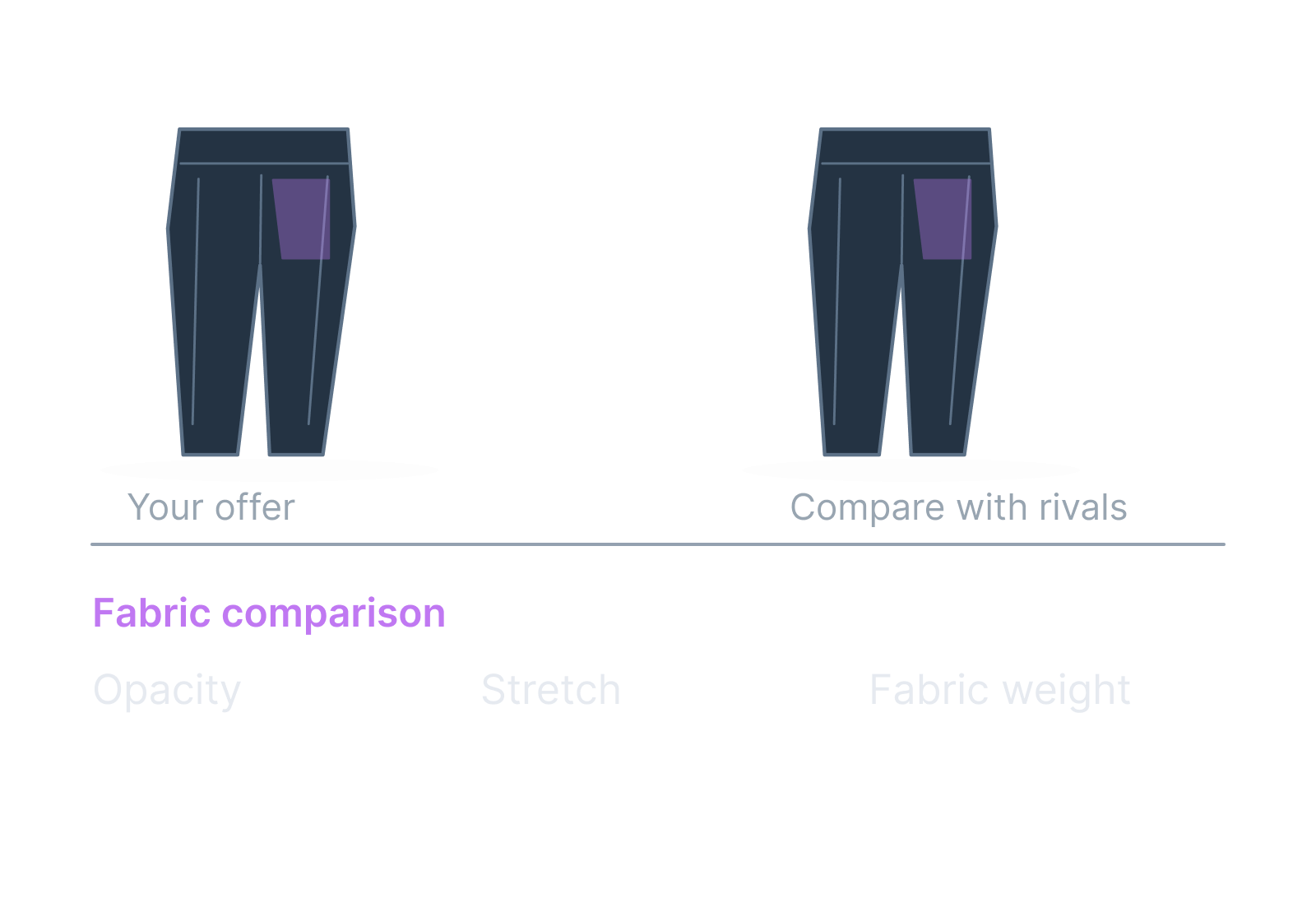
Moisture-wicking, antimicrobial, and UPF claims on activewear have almost no legal verification requirement. Here's what each claim actually covers, and how to close the gap on your own PDP.
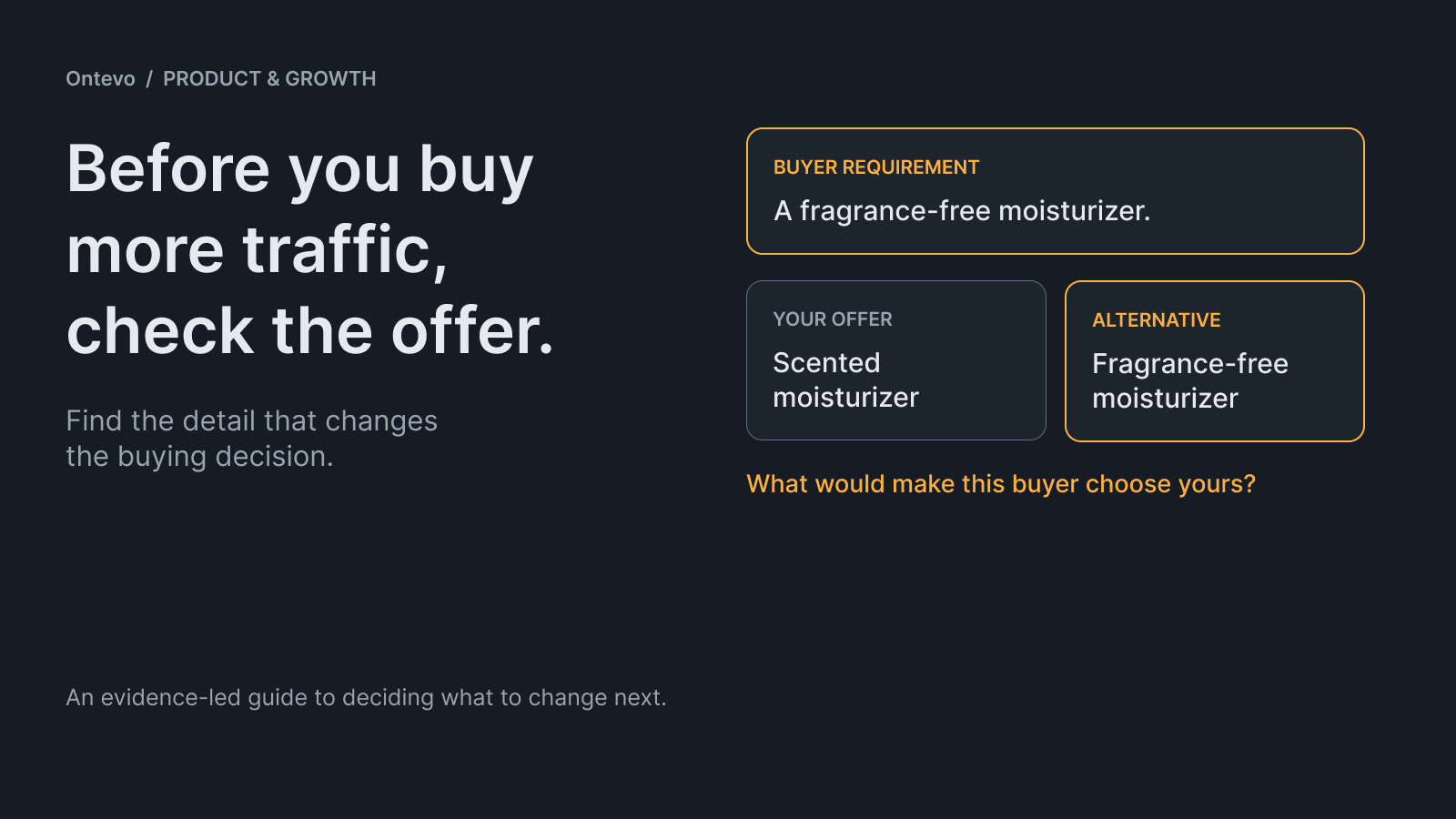
Before buying more traffic, identify what keeps qualified buyers from choosing your offer. Use an Offer Evidence Sheet to test the smallest useful change and assess its contribution.
Cruelty-free has no legal definition in the U.S. Here's what the claim covers, what real certification actually verifies, and how to close the gap on your own PDP.

Paraben-free, sulfate-free, and clean beauty labels aren't government-regulated claims. Here's the real legal landscape behind each one, and what a verifiable claim actually looks like on a hair care PDP.

Explain the manufacturer's expiration guidance, distinguish recalls from certification, and describe the scope of the federal side-impact standard.
"Ceramic," "non-toxic," and "PFAS-free" are the three most common words on cookware listings — and the three least verified. Here's what California's AB 1200 actually requires, what each claim legally means, and how to fix the gap before a shopper or a regulator finds it first.
The NAR settlement requires real estate agents to disclose commission in writing before every home tour. Most buyers still don't understand or trust the number — here's the real fix, with a compliance checklist and before/after comparison.
Homeowners get three plumbing quotes and trust none of them. The real issue isn't dishonesty — it's that pricing models, trip fees, permit requirements, and platform "verified" badges are never explained before the sale. Here's what a quote that actually earns trust looks like.
Guide
Your Electronics Listing Has Every Certification Badge. Shoppers Still Can't Tell What They Mean.
Consumer electronics pages stack FCC, UL, and ENERGY STAR badges like they are interchangeable proof of legitimacy. They are not. Here is what each one actually verifies, and how to turn a confusing badge row into claims that convert.
Furniture and home decor shoppers don't abandon over price. They abandon over fit anxiety, vague safety claims, and shipping promises that don't hold up. Here's how to close those gaps and actually sell furniture online.
Passing AAFCO's eight required label items keeps a pet food package legal — it doesn't make buyers pick it off the shelf. Here's what actually converts, the claims myths costing DTC pet brands sales, and the real fix.
Dietary-supplement labels are not individually FDA-approved. Clear ingredient forms, serving sizes and substantiated claims help buyers compare products.

Most salon marketing advice is about posting more. The real leak happens earlier — in a stale Google profile, unanswered reviews, and a booking flow that still needs a phone call. Here's how to fix the comparison moment that actually decides who gets the appointment.
Personal injury lawyer marketing fails when leads pick whoever responds first. Here's why speed and trust signals outconvert ad spend, and how to fix it.
Financial advisors lose more prospects to a quiet Google search after the referral than to price or performance. Here's where the visibility gap actually costs new clients, and how to close it without a rebrand.
Storm season doesn't create roofing demand, it exposes which roofers were already invisible. See why ad spend alone doesn't fix a stalled pipeline, and what a real storm-season visibility fix looks like.
A whitepaper stat about your industry can't tell you why a specific competitor is winning your specific customers. Here's how to benchmark the businesses that actually matter.

Menu engineering theory says highlight your best-margin dish and guests will order it. In practice, most menus lose that dish to something else entirely: how it's described, where it sits, and what a guest is actually comparing it to.
An unapproved estimate looks like a pricing objection. Usually it isn't. It's a trust gap, and it's fixable before you touch your marketing spend.
More ad spend is not the fix for a stalled HVAC lead pipeline. The leak is usually visibility at the exact moment a system fails, and it shows up in your Google Business Profile before it shows up in your ad account.

Customers are asking ChatGPT and Gemini for recommendations before they ever open Google. Here's what determines whether your business gets named, and what to do if it doesn't.
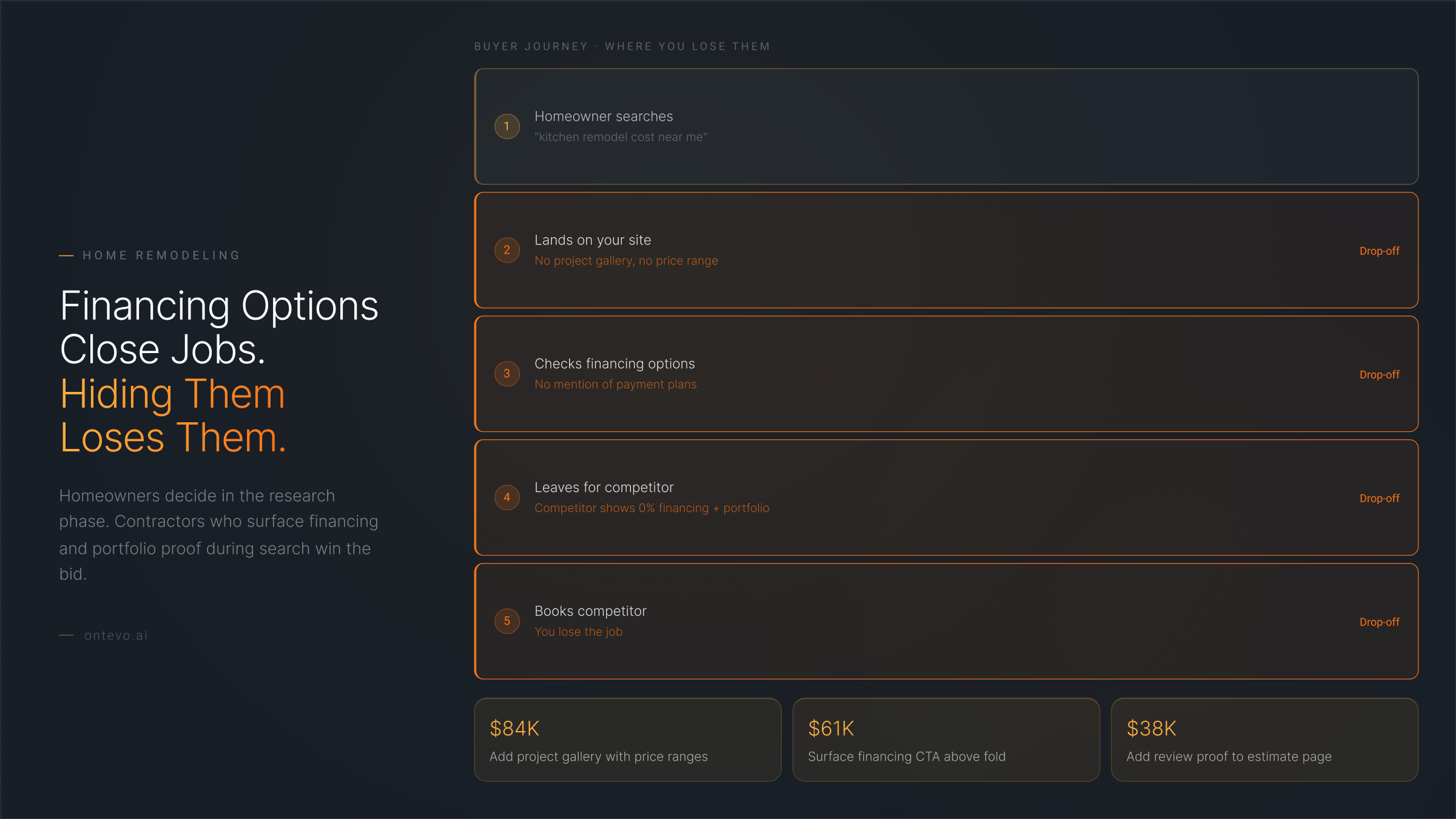
Design-build firms often lose good opportunities because proposals and early messaging fail to reduce process anxiety and clarify how the project will work.
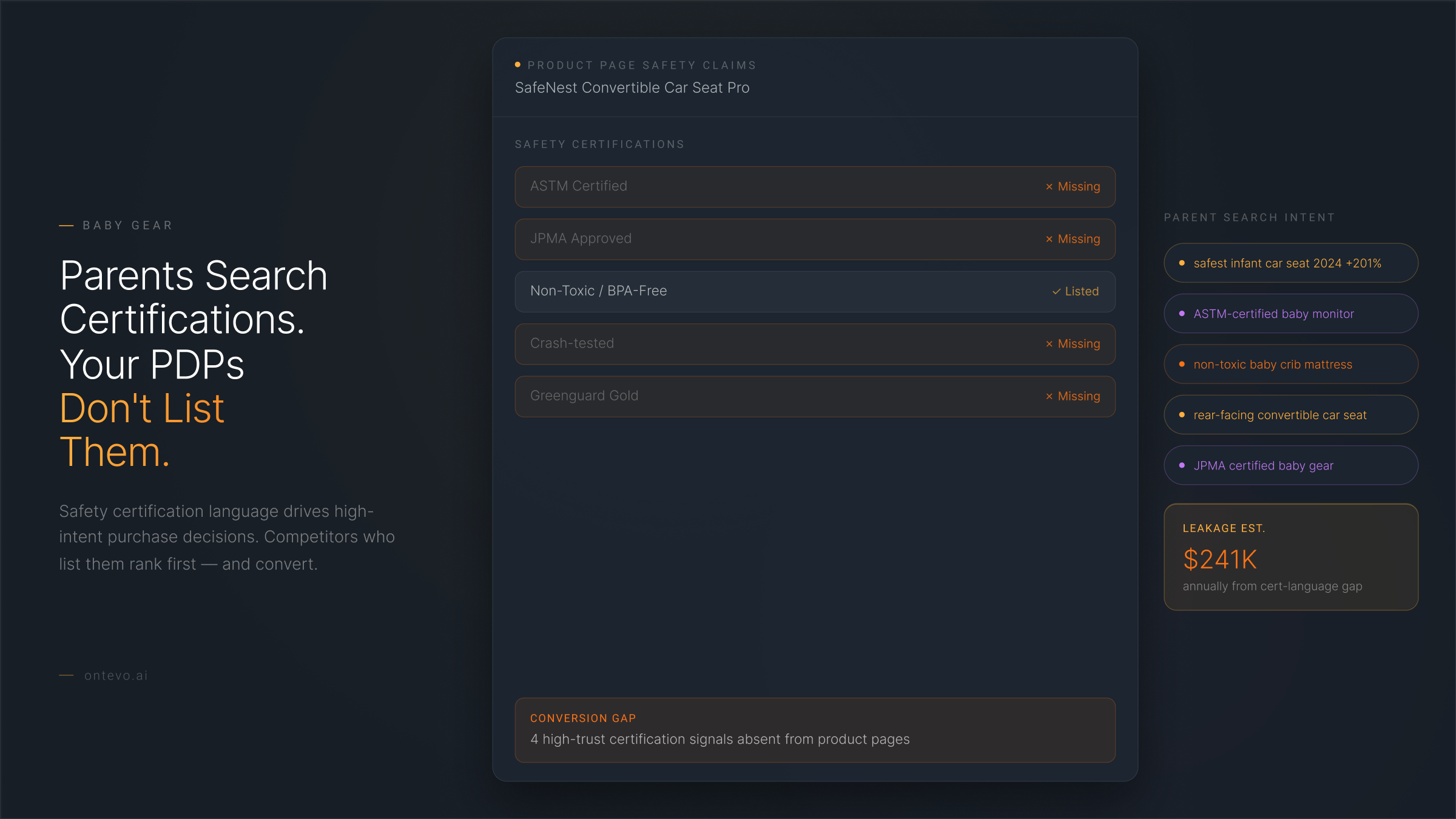
Baby gear brands lose conversions when important trust and use-case signals such as one-hand fold, safety confidence, and real usability are not obvious on the PDP.
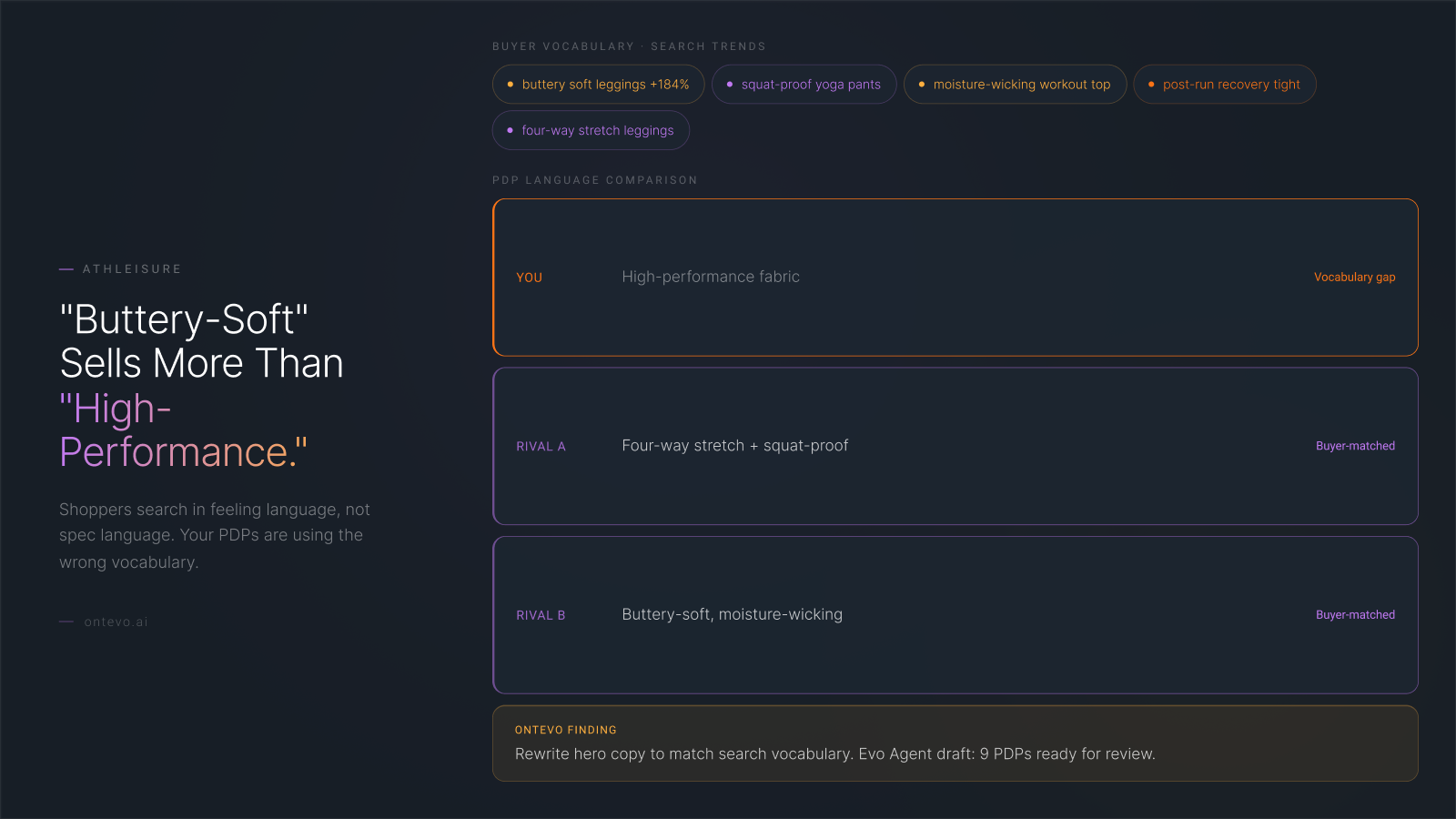
Activewear brands lose differentiation when generic comfort language replaces concrete proof around fabric specs, fit, and performance.
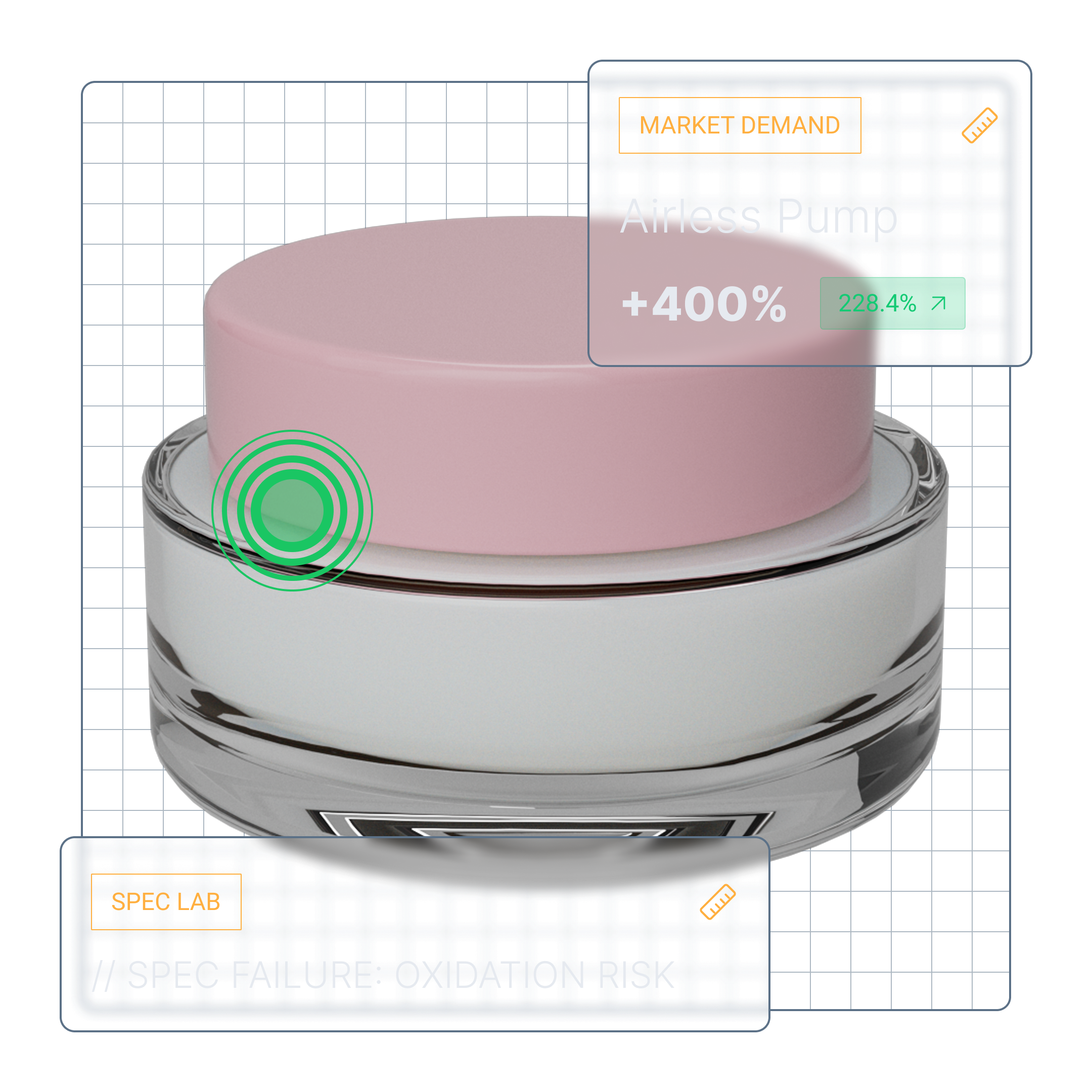
Makeup brands lose conversion when PDPs fail to surface the specific proof comparison shoppers want, including transfer-proof, wear-test, and shade-match confidence.
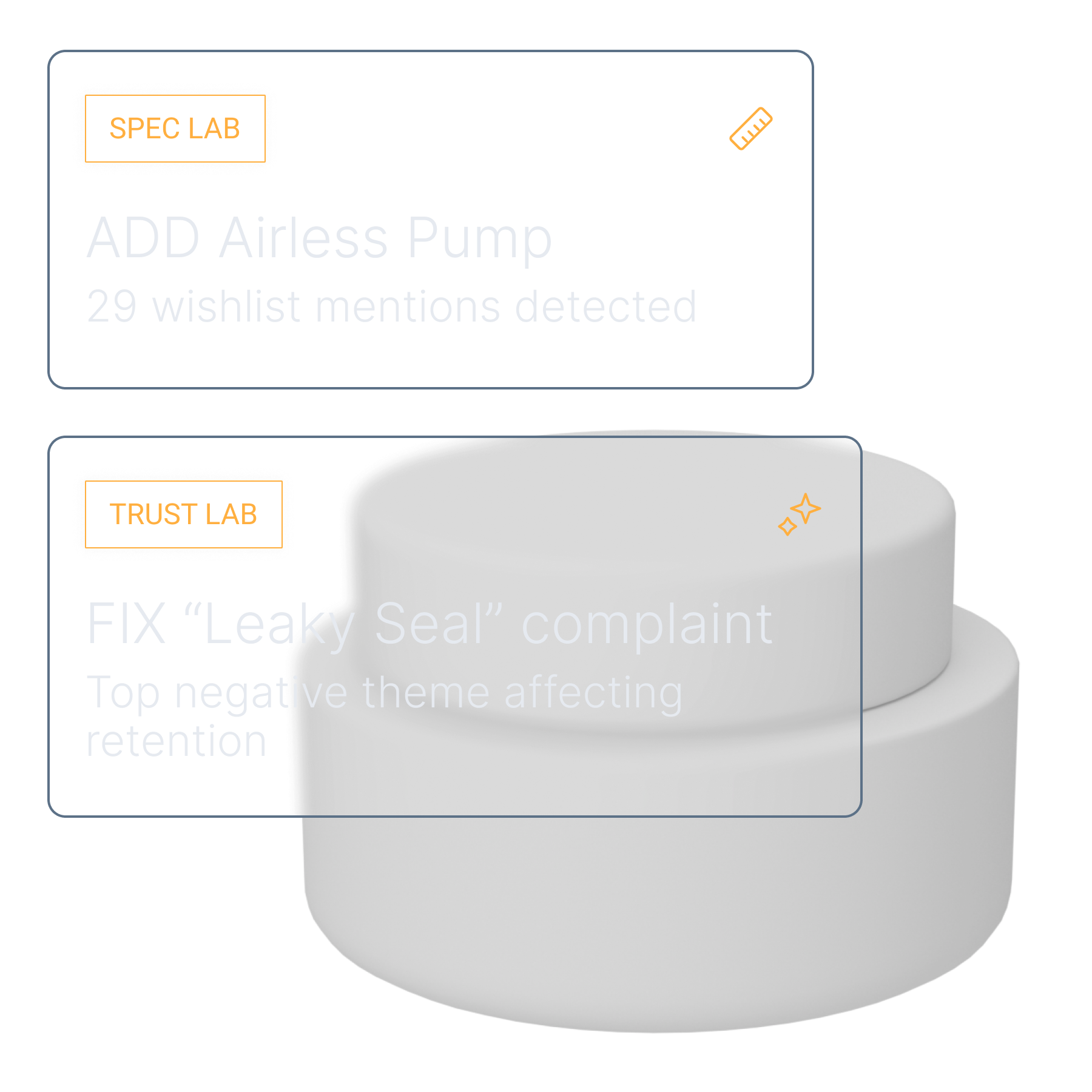
Hair care brands often lag behind buyer language, continuing to market generic claims while shoppers compare category-specific proof such as bond repair and scalp health.
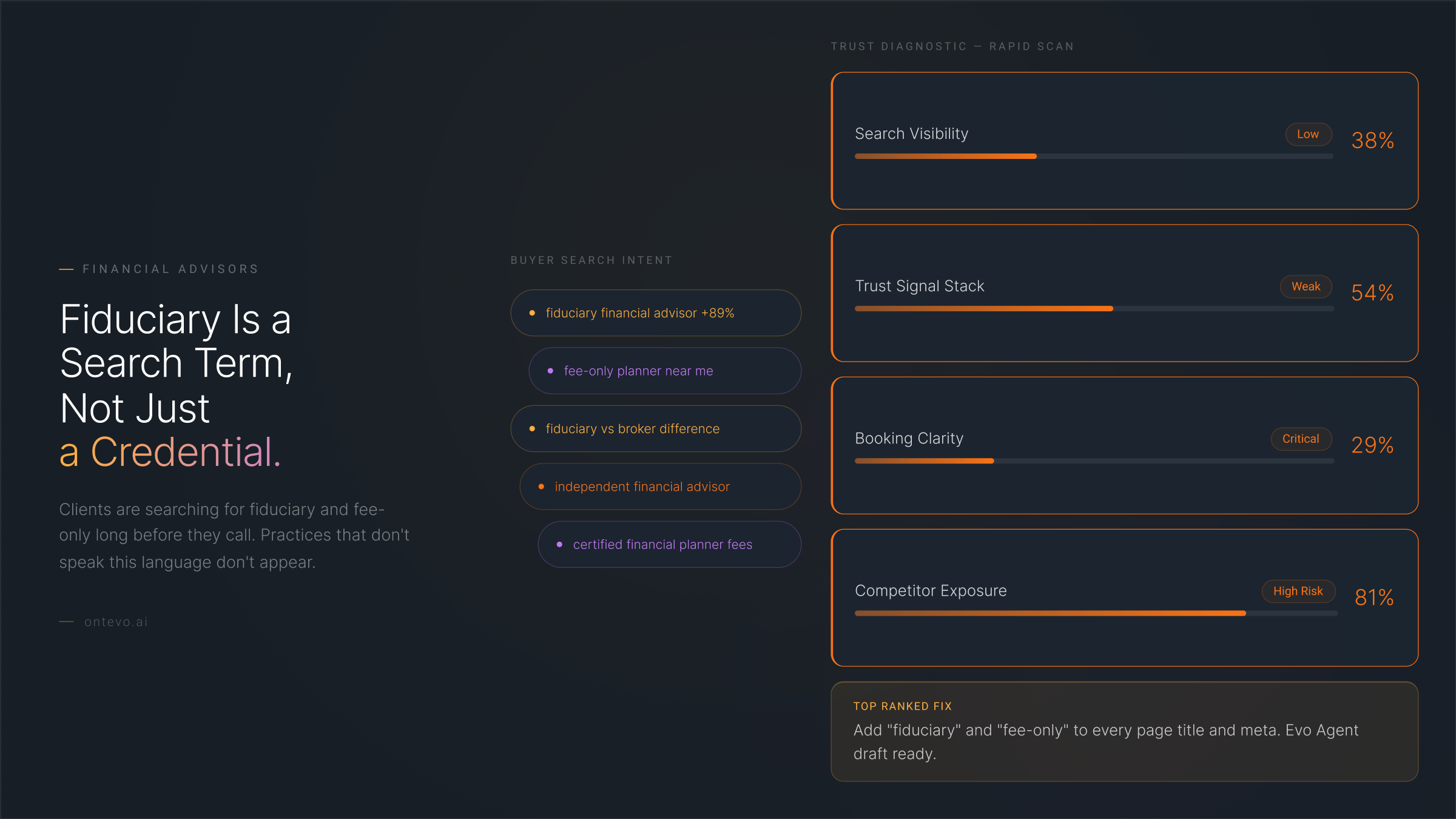
Advisory firms lose qualified demand when searchers cannot quickly see fiduciary status, fee model, niche fit, and easy booking paths.

Veterinary clinics lose local demand when urgent services, same-day care, and trust signals are missing from GBP, reviews, and after-hours intake paths.
Chiropractic and PT practices often lose local demand because high-intent services are missing from their Google profile, service pages, and booking path.

General dental practices can be invisible to ready patients when their Google Business Profile lists procedures but misses the comfort language patients actually use.
Most growth teams increase budget when performance stalls. The better first move is to find where revenue is already leaking, price the gap in dollars and fix the constraint before scaling spend.
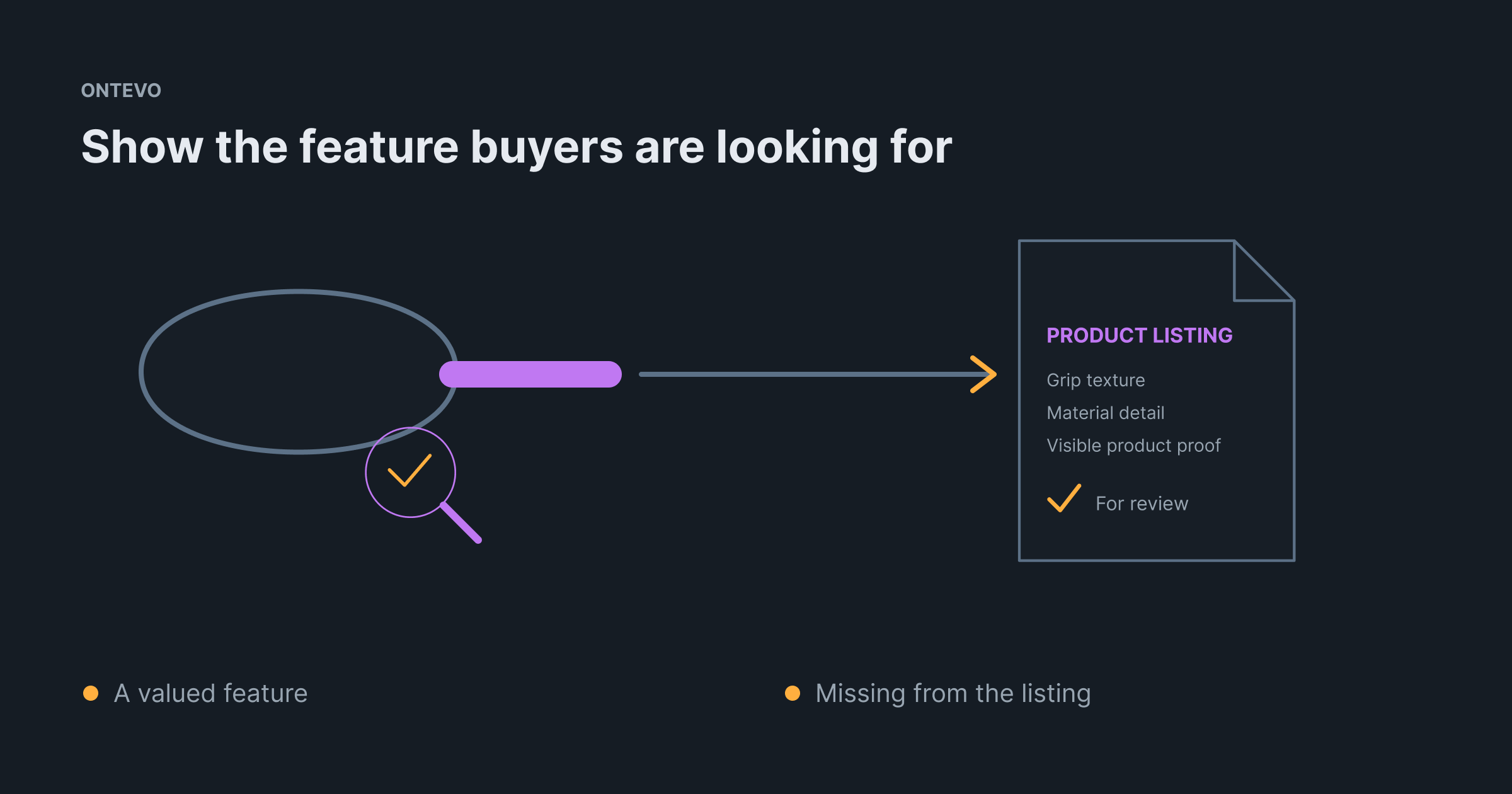
4 of 5 top cookware competitors claim Metal Utensil Safe on their hero SKU. We benchmarked the 5 specs that decide the sale and built a PDP audit framework worth $8,500/mo in recovered conversions.

60% of specialty dental practices have zero competitive visibility. We broke down the 4-pillar framework that connects demand signals to dollar-denominated revenue gaps, with real math from dental, MedSpa, and cookware.
The median med spa spends $1,149/mo on dashboards that can't answer 'what should I promote next?' Add a $4K/mo agency to interpret them and you're at $62K/year. Here's why AI agents that draft, execute, and deploy are collapsing the labor layer entirely.
$8K to $12K/mo leaks from GBP listings that say 'Botox' while patients search 'Traptox.' This 15-point audit covers the demand-alignment and reputation velocity gaps no other guide touches.
A five-step method for coding competitor reviews, keeping denominators consistent and turning observed themes into testable product decisions.
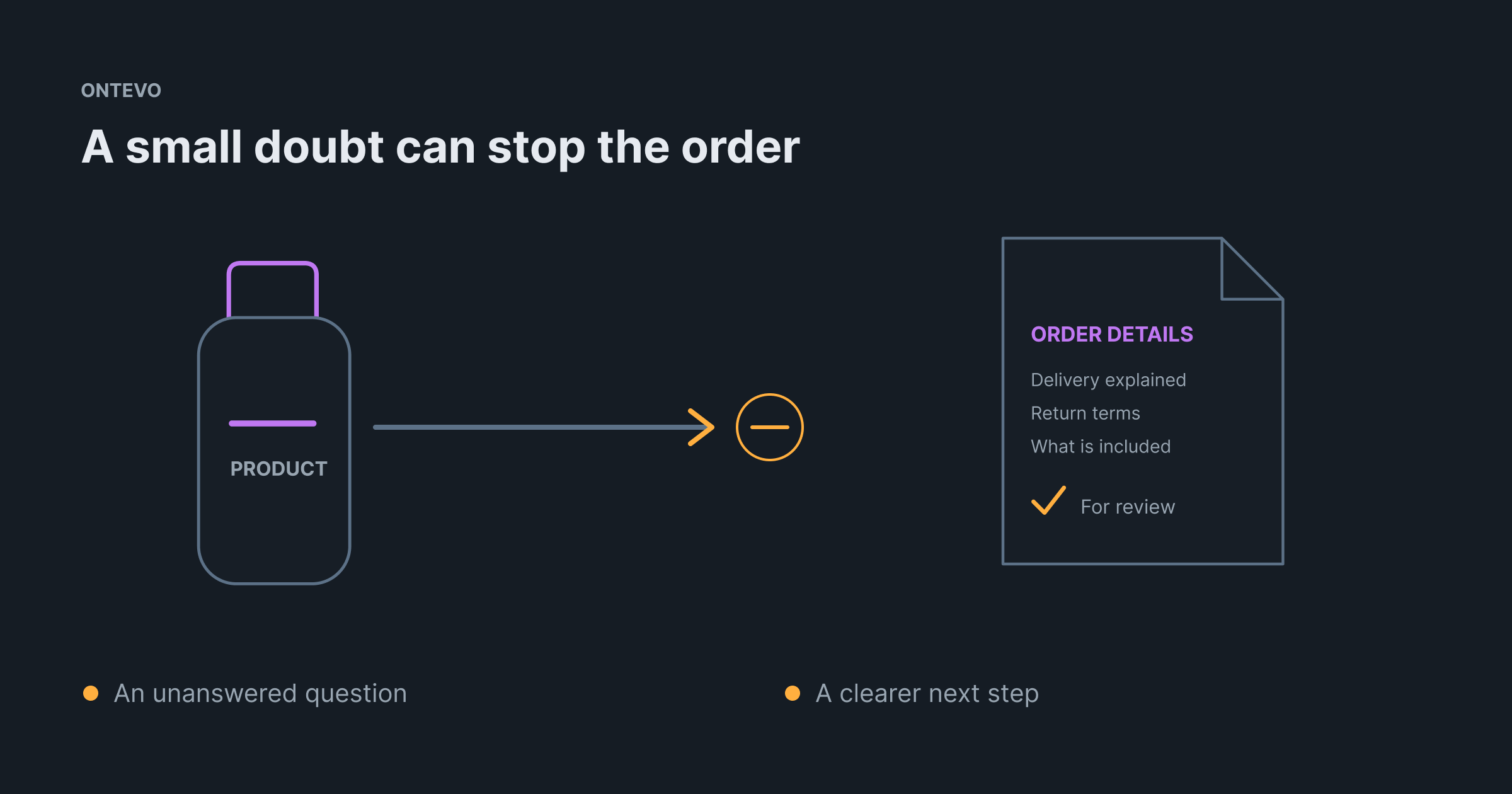
A $2.5M baby gear brand burns $337K to $412K/year on a problem ads can't fix. One missing spec (a fold mechanism, a safety badge) doubles effective CPA from $80 to $140. Here's the math and the 5-step audit.
The average DTC skincare brand spends $6,125/mo on SaaS tools that track what already happened. None answer the question that matters: Is your product still competitive? Here's the $1.03M blind spot, quantified.
Business owners searching 'AI business coach' expect a chatbot with frameworks. What actually works in 2026: a team of AI agents that found a $10,400/mo menu gap, a $14,200/mo packaging leak, and a $22,800/mo proposal problem, across 3 verticals.
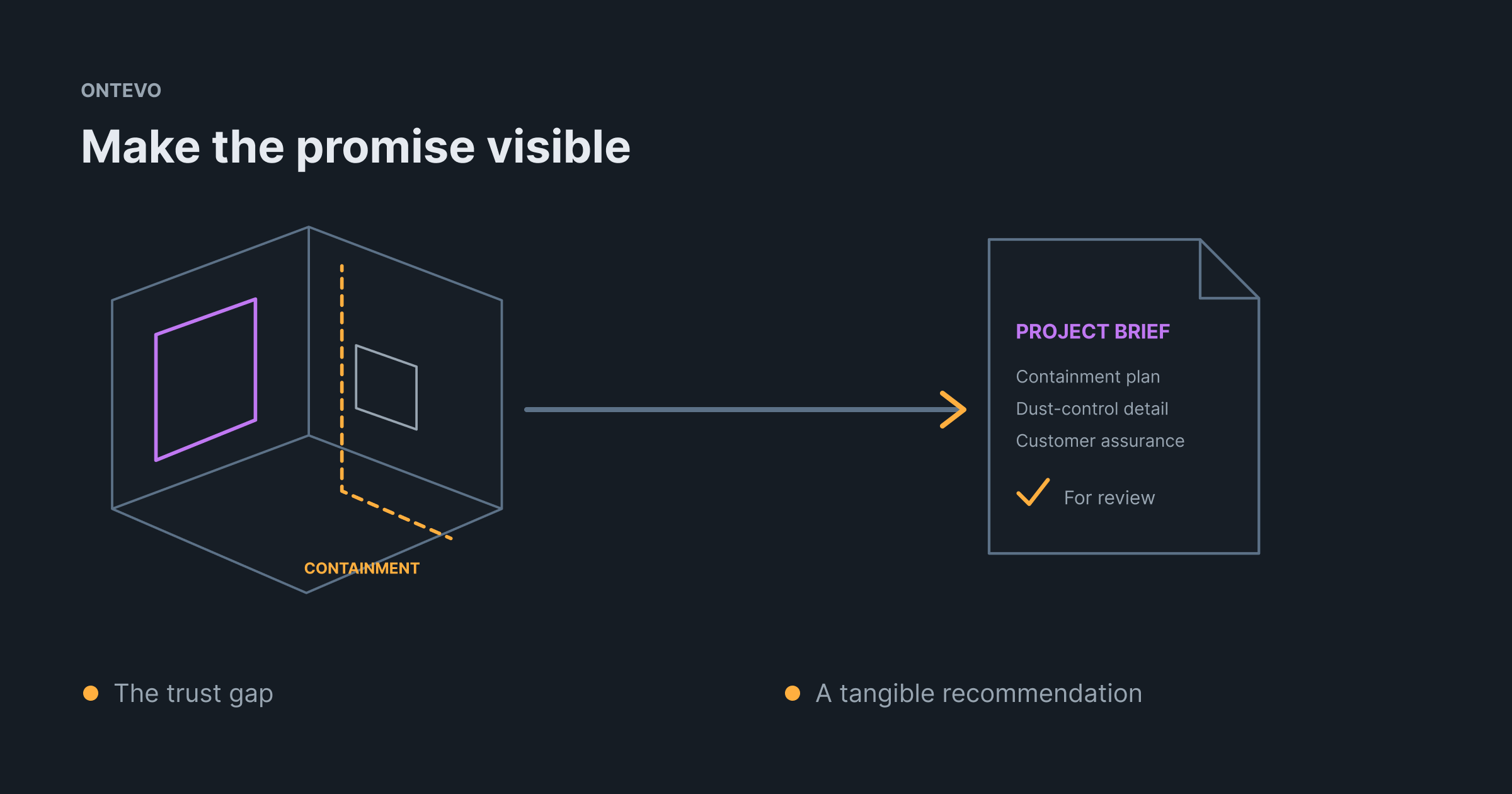
70% of negative remodeling reviews mention dust and communication, not craftsmanship. We decomposed the data behind ghosted proposals and found the $22,800/mo gap between what you bid and what homeowners need to hear.
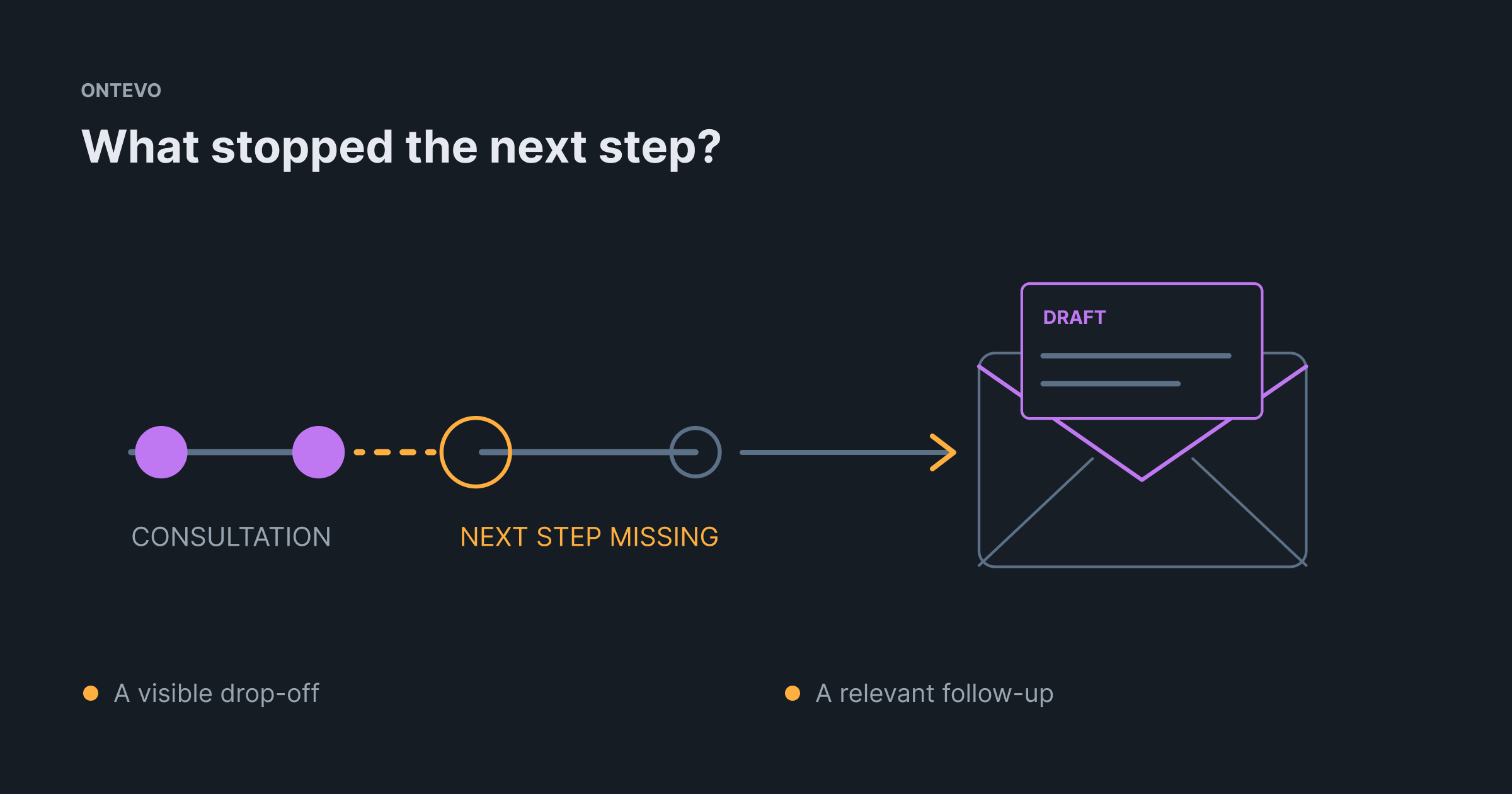
62% of implant consults ghost, and review data shows fear friction is 3x more common than price complaints. Here's the $31,400/mo math and a DIY audit to find your own ghost triggers.
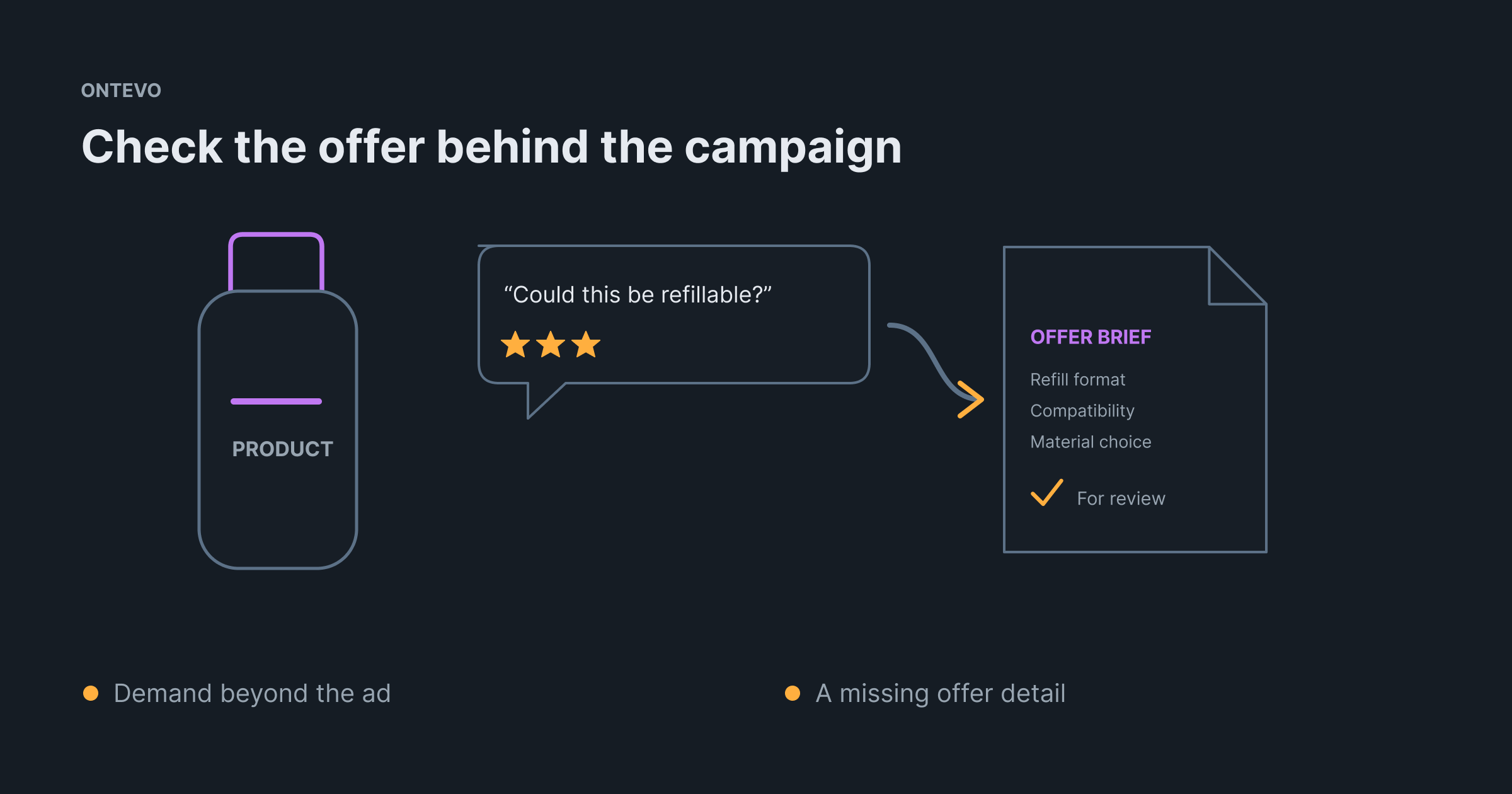
A 25% PDP conversion gap costs a $3.5M skincare brand $876K/year, and 42% of 1-star reviews cite packaging, not formula. Here's the math behind the CAC Tax and a step-by-step framework to calculate yours.
Traptox demand is 340% higher than generic Botox in local search, but most MedSpa menus don't mention it. We modeled the gap: $10,400/mo in lost revenue for the median practice. Here's the data and a 3-step fix.
Reported observations from Ontevo's local-profile sample, their limits, and a practical checklist for accurate service information and measurable improvements.

Ontevo's skincare review study surfaces packaging, ingredient and concentration questions. Review observations guide testing; they do not prove conversion effects.
Review local-profile accuracy using Google's stated ranking principles. Separate useful maintenance from unsupported ranking penalties and revenue estimates.