We Scanned 2,000 MedSpas: Here's Why 40% Are Invisible
Ontevo Research. Source: 2,000 US med spas across 47 metros. Method: a crawler scored each practice against the seven signals Google's Local Pack weights. The revenue figures below are modeled from those scan patterns, not from a named customer.
2,000 MedSpas. 47 Metros. 40% Invisible.
We pointed a crawler at 2,000 US med spas across 47 metros and scored each one against the seven signals Google's Local Pack algorithm actually weights. The result wasn't subtle: 40% never showed up on page one of "med spa near me" or any high-intent injectable query in their own ZIP.
The cause wasn't bad work or dormant ads; the visibility infrastructure underneath the practice was misaligned with how patients actually search in 2026.
Median impact across the invisible 40%: $8K to $12K/mo in addressable demand routed to whichever competitor optimized for the same query. Annualized, that's roughly $108K per practice walking out the door before the front desk picks up the phone.
The 5 Visibility Failures We Found
Across the dataset, the same five gaps appeared again and again, in different combinations, but rarely fewer than three at a time:
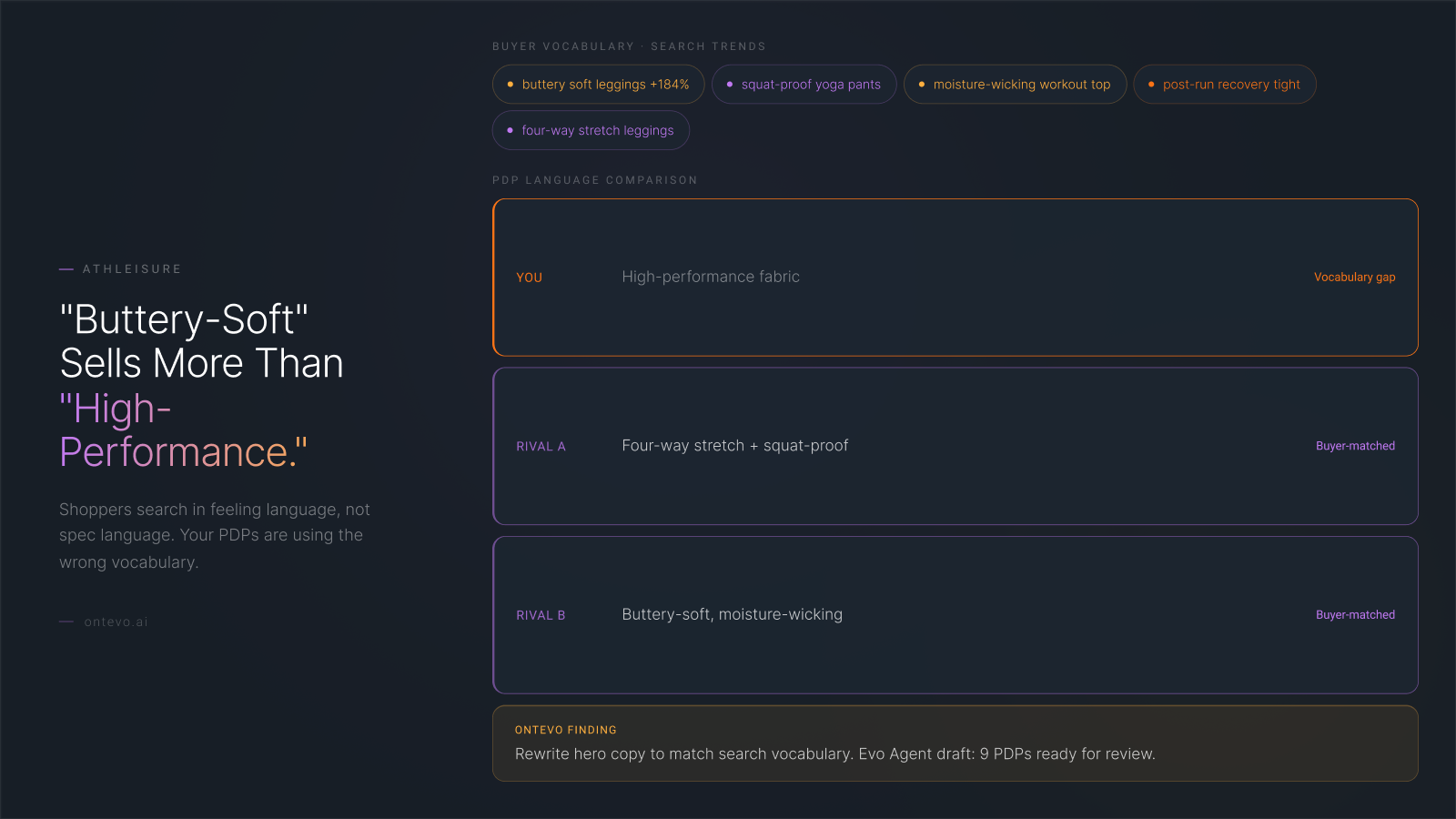
- Service-name semantic gap. 78% of audited GBPs listed "Botox Cosmetic." Only 14% listed "Traptox." Local search demand for "traptox near me" is up 340% YoY in high-growth metros. The translation layer between EMR nomenclature and patient search language is missing.
- Photo undersupply. Cohort median is 45 photos. Audited median was 12. The 33-photo gap correlates with a measurable drop in direction requests and CTR; Google's own data has held since 2021 and the gap has only widened with visual search.
- Review velocity drift. Top-quartile competitors averaged 23 new reviews in the last 90 days. The invisible 40% averaged 4. Velocity is a ranking signal AND a trust signal: lurkers reading reviews count the dates, not just the stars.
- Empty Q&A and zero GBP posts. 71% of audited profiles had no posts in 90 days. Google reads that as abandonment. Worse: 64% had unanswered Q&A, leaving competitors free to seed the answers in their favor.
- Missing menu → demand mapping. 60% of the cohort now lists "GLP-1 weight management" as a service. The invisible 40% hadn't updated their menu since 2024. Each missed market shift is a seven-figure addressable demand pool routed elsewhere.
The Math: Why $108K/yr Is the Floor, Not the Ceiling
Median med spa annual revenue: $1.2M (~$100K/mo). Demand-mapping data shows that GBPs misaligned with current search demand lose 8–12% of addressable monthly revenue to semantic gaps alone.
- Conservative leak: $8,000/mo × 12 = $96K/year
- Mid-case leak: $10,000/mo × 12 = $120K/year
- Compounded with ghost rates and stale review velocity: closer to $140K/year for the worst-affected practices
That's before you count the opportunity cost of the patients who searched, didn't find you, and booked a Morpheus8 protocol with the practice across town, which now owns that lifetime relationship.
What the Top 20% Are Doing Differently
The visible 60% was running a system across all five signals simultaneously, not getting one thing right:
- Service names mapped to actual patient queries: "Trapezius Botox for neck and shoulder slimming," not "Botulinum Toxin Type A."
- Weekly GBP posts on trending treatments and seasonal protocols.
- Sub-12-hour review response time with specific, empathetic language, not template replies.
- Photo libraries refreshed quarterly with treatment rooms, results (with consent), and team headshots.
- Menu reviewed every 90 days against the local competitive cohort and trend data.
Fix It Yourself in One Weekend
All you need is a checklist and four hours; no tool required.
- Pull your last 90 days of GBP analytics: searches, calls, direction requests, photo views.
- Compare your service names against your top 5 local competitors. Highlight every term they list that you don't.
- Count your photos. If you're below 45, schedule a shoot.
- Calculate your review response time and 90-day review velocity. Compare to your top 3 competitors.
- Audit your menu against trend data: is there a service category your local cohort offers that you don't?
For a complete walkthrough of the GBP audit, see our 15-point GBP optimization framework.
If You Want the System Without the Weekend
Ontevo's Visibility Architect drafts service descriptions, GBP posts, and review responses against your local competitive cohort and current demand data. You approve every change before it publishes. The framework above works whether you use a tool or a spreadsheet; the difference is whether you do it once or run it as a discipline.
Either way, the question for any practice in the invisible 40% is the same: every month you stay invisible costs $8K to $12K. How many more months can the math afford?
Ontevo Research. Where this post carries figures, they come from Ontevo's own scan corpus or are modeled from scan patterns across the category. No figure is measured from a named customer.